
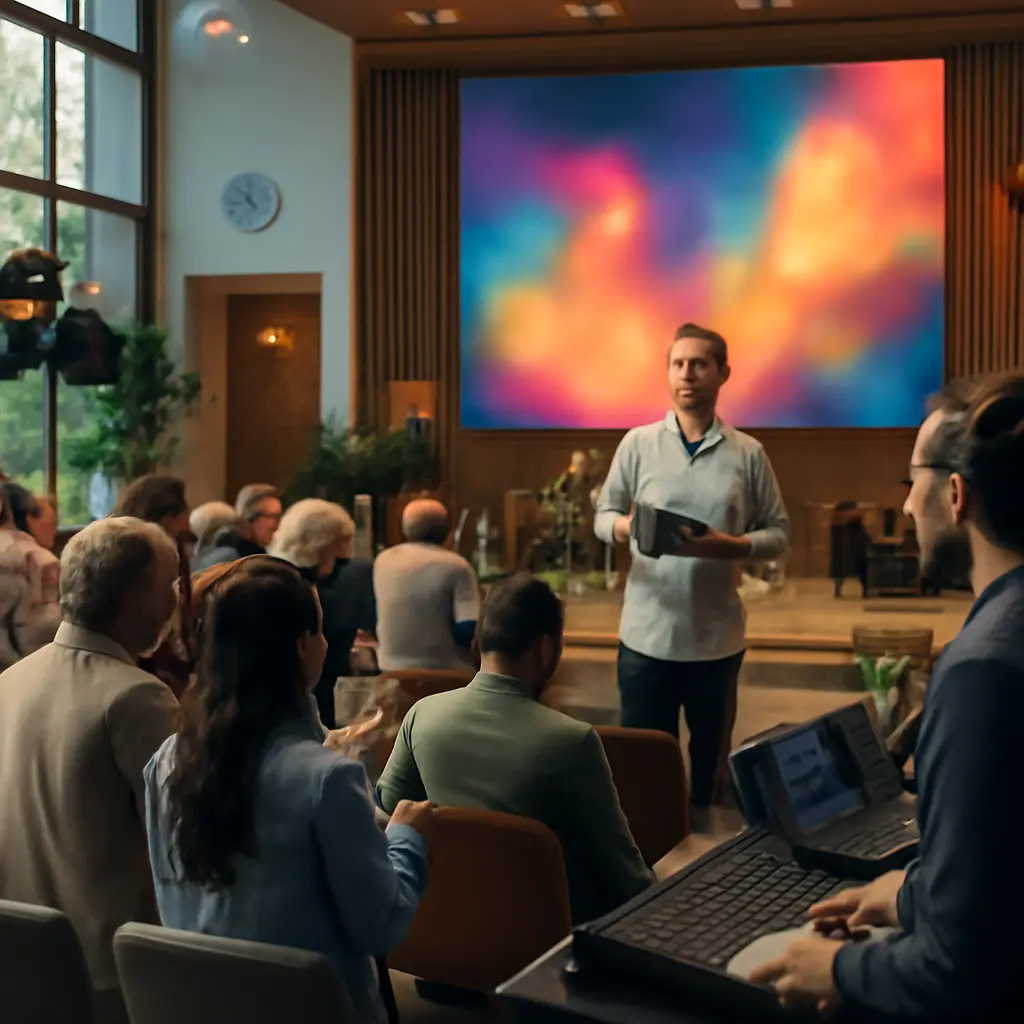
Key worship trends and forecasts for 2026
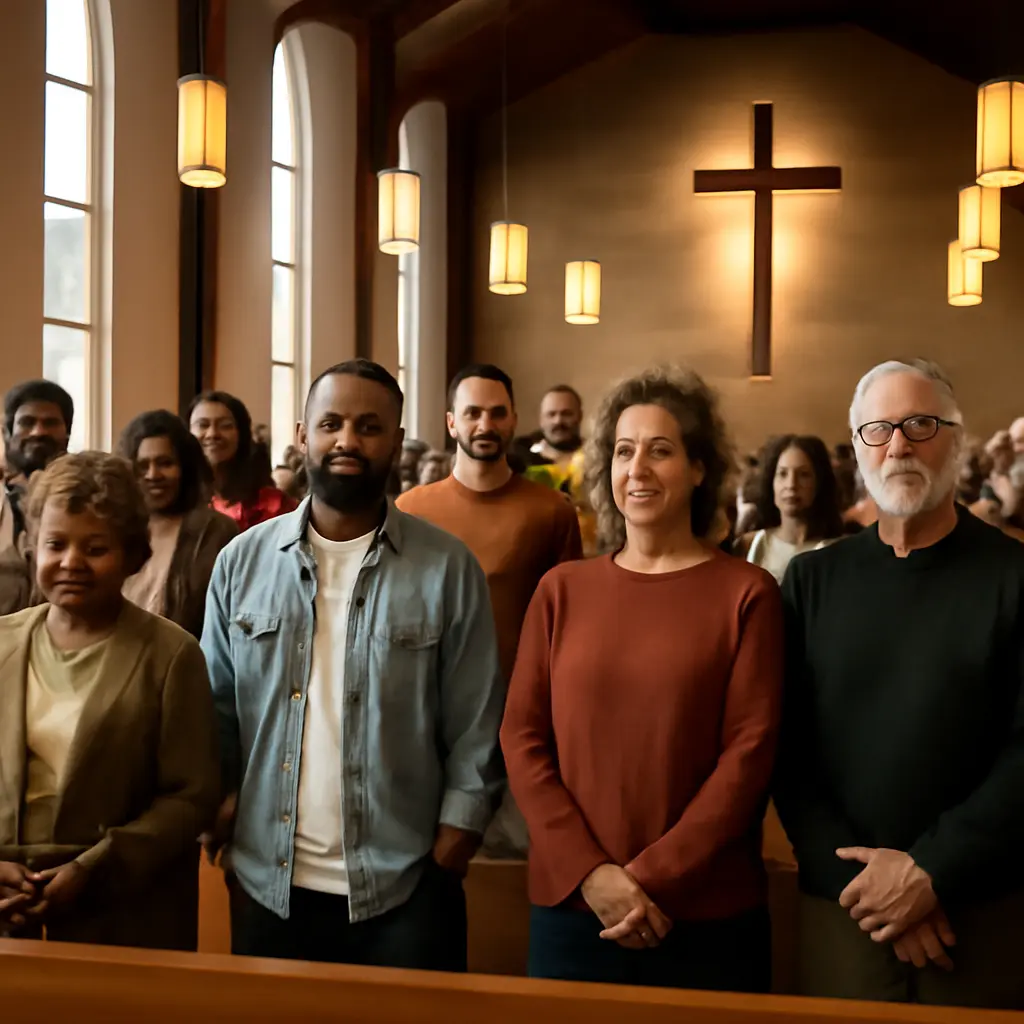
Leaders and laypeople entering 2026 face a quickly evolving landscape where technology, culture, and accountability collide. This article maps the most important trends shaping worship life, offers practical strategies for leaders, and explains why even metrics like a Casino overview rating can illuminate how communities evaluate trust and experience. Expect a mix of pastoral insight, data-driven decisions, and creative pastoral care.
Why 2026 feels different
After years of hybrid experiments and cultural shifts, worship planning in 2026 leans on both tradition and rapid innovation. Congregations that succeed will blend deep, theological roots with measurable engagement—and that’s where cross-industry tools, such as reputation systems or a Casino overview rating analogy, become relevant. These models show how numeric scores influence decision-making and public trust across audiences.
Trend 1 — Experience metrics and reputation management
Congregations no longer rely solely on attendance counts; leaders are adopting experience metrics to measure spiritual health. Borrowing methods from consumer industries, churches track satisfaction, repeat engagement, and conversion to service roles. Comparisons to a Casino overview rating are illustrative: people trust simple, transparent scores when choosing where to invest time and attention.
- Net engagement: frequency of spiritual acts, volunteer hours, small group participation.
- Retention rates: how many participants return across seasons.
- Word-of-mouth influence: measured through social shares and testimonials.
Leaders who turn these measures into clear dashboards can allocate resources more effectively and identify whether a program is spiritually nourishing or merely entertaining.
Trend 2 — Hybrid worship with intentional design
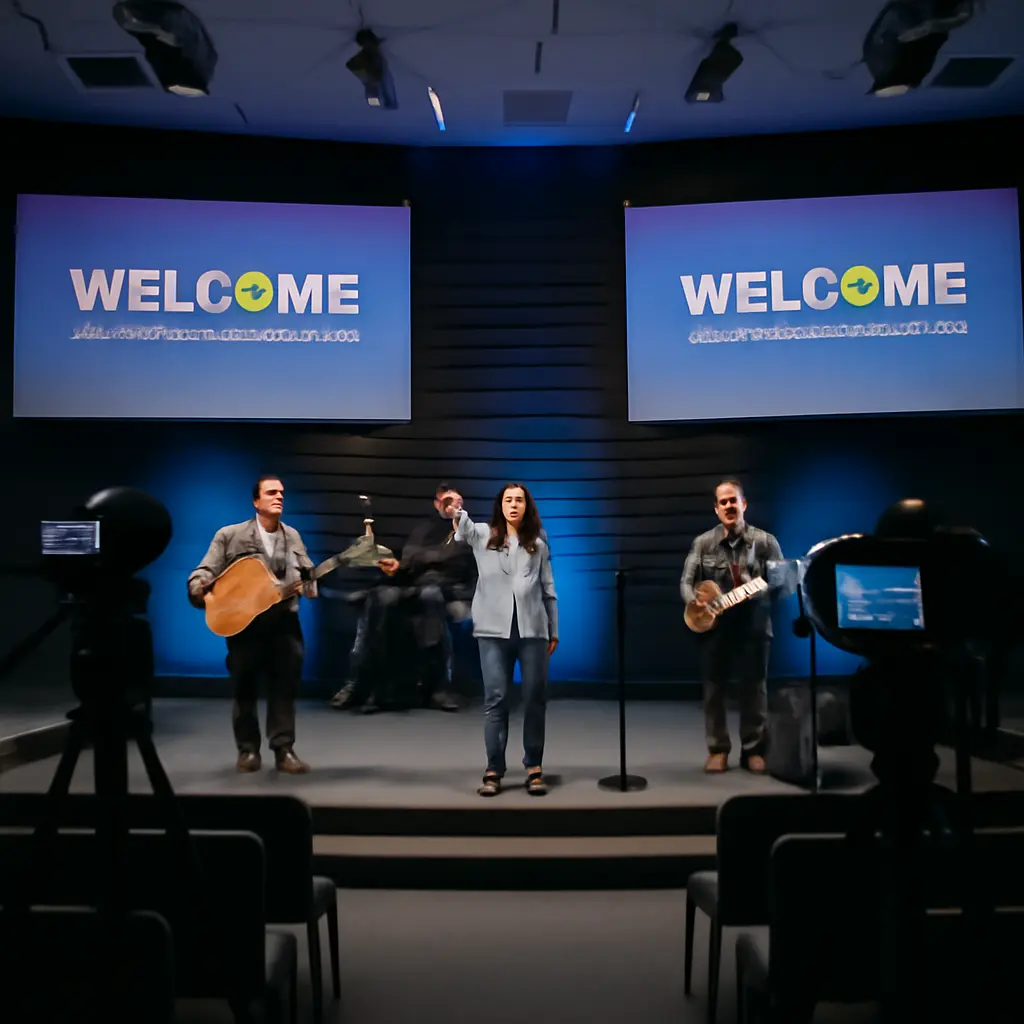
Hybrid worship becomes standard in 2026, but not as a technical afterthought—it's intentionally crafted. Audio, visual, and liturgical decisions aim to include both physical and remote participants equally. Digital presence and the perceived quality often get compared in public forums; even secular indices like a Casino overview rating remind faith communities that presentation and perceived professionalism affect trust.
Design attention includes accessibility, on-demand sermon libraries, and follow-up pathways that move online attendees into meaningful spiritual relationships.
Trend 3 — Community-first models vs scaled megastructures
One ongoing debate is which model best serves mission: smaller, relational communities or larger, scaled gatherings. Both have strengths—smaller communities excel at intimacy while larger venues can fund broader outreach. Practical comparisons matter, and some leaders consult analyses similar to a Casino overview rating to weigh impact, transparency, and accountability across models. For a focused comparison of models readers may find helpful in deciding strategy.
Trend 4 — Younger generations and immersive formats
Young adults favor meaningful participation over passive attendance. Churches are experimenting with immersive prayer rooms, participatory liturgies, and creative arts. These formats often use rapid feedback loops to iterate—akin to how a Casino overview rating aggregates user experiences to inform future visitors. Churches that test, evaluate, and transparently report results build credibility with seekers.
- Prototype a new format (6–12 weeks).
- Collect qualitative and quantitative feedback.
- Adjust, scale, or sunset based on agreed criteria.
That structured approach turns experimentation into reproducible practices.
Safeguards and ethics: lessons from rating systems
Using reputation-style metrics raises ethical questions. A score-focused mindset can prioritize optics over spiritual depth. Yet, when used wisely, frameworks like a Casino overview rating analogy help leaders become more transparent about finances, safety, and program effectiveness. Critical safeguards include privacy protections, qualitative narratives alongside scores, and theological reflection on what success truly means.
Data table — Trends, impact, and an example rating
The table below summarizes core trends, expected impact, and an illustrative score column modeled after a neutral reputation metric (labeled here as Casino overview rating for familiarity). Use these as starting points for local adaptation—not as prescriptive answers.
| Trend | Primary Impact | Recommended Action | Example Score (0–100) |
|---|---|---|---|
| Experience metrics | Improved resource allocation | Build simple dashboard | 82 |
| Hybrid worship | Greater reach, tech demands | Invest in AV & training | 78 |
| Community models | Depth vs scale tradeoffs | Test small groups + campus events | 75 |
| Immersive formats | Higher engagement among youth | Prototype experiential nights | 80 |
Practical steps for leaders in 2026
Leaders should pursue a balanced plan that combines spiritual integrity with practical assessment. These steps are intentionally simple and replicable:
- Clarify mission: Use scripture and core values to define success metrics.
- Measure what matters: Prioritize retention, spiritual growth markers, and relational depth over vanity metrics.
- Be transparent: Share findings with the congregation to build trust—ratings like a Casino overview rating work only when accompanied by context.
- Iterate quickly: Short testing cycles reduce risk and foster learning.
Leaders who adopt both qualitative storytelling and quantitative measures create a resilient pathway for growth and care.
Case studies and reinvention
Across denominations, creative reinvention is common. From refreshed liturgies to youth-run services, best practices are often shared peer-to-peer. If you want tactical ideas for engaging younger congregations, consider this short guide on for practical options you can pilot in a quarter.
Risks to watch
Not all change is healthy. Beware of the following pitfalls:
- Score chasing: Over-prioritizing ratings or a Casino overview rating at the expense of pastoral care.
- Technology without formation: High production value without discipleship can hollow ministry.
- Neglecting the marginalized: New formats must be accessible to people with different needs.
Protecting against these risks requires ongoing theological reflection and community feedback loops.
Conclusion — Leading well in 2026
2026 will reward leaders who couple spiritual clarity with intentional measurement. Tools and analogies from other industries, including examples like a Casino overview rating, can be instructive when used thoughtfully: they reveal how transparency and clear metrics build public trust. But numbers should serve mission, not define it. The practical path forward includes piloting new formats, tracking meaningful engagement, and keeping pastoral presence at the center. With that balance, communities can both innovate and remain deeply faithful.



To leave a comment, please sign up or log in
Log in / Sign up