
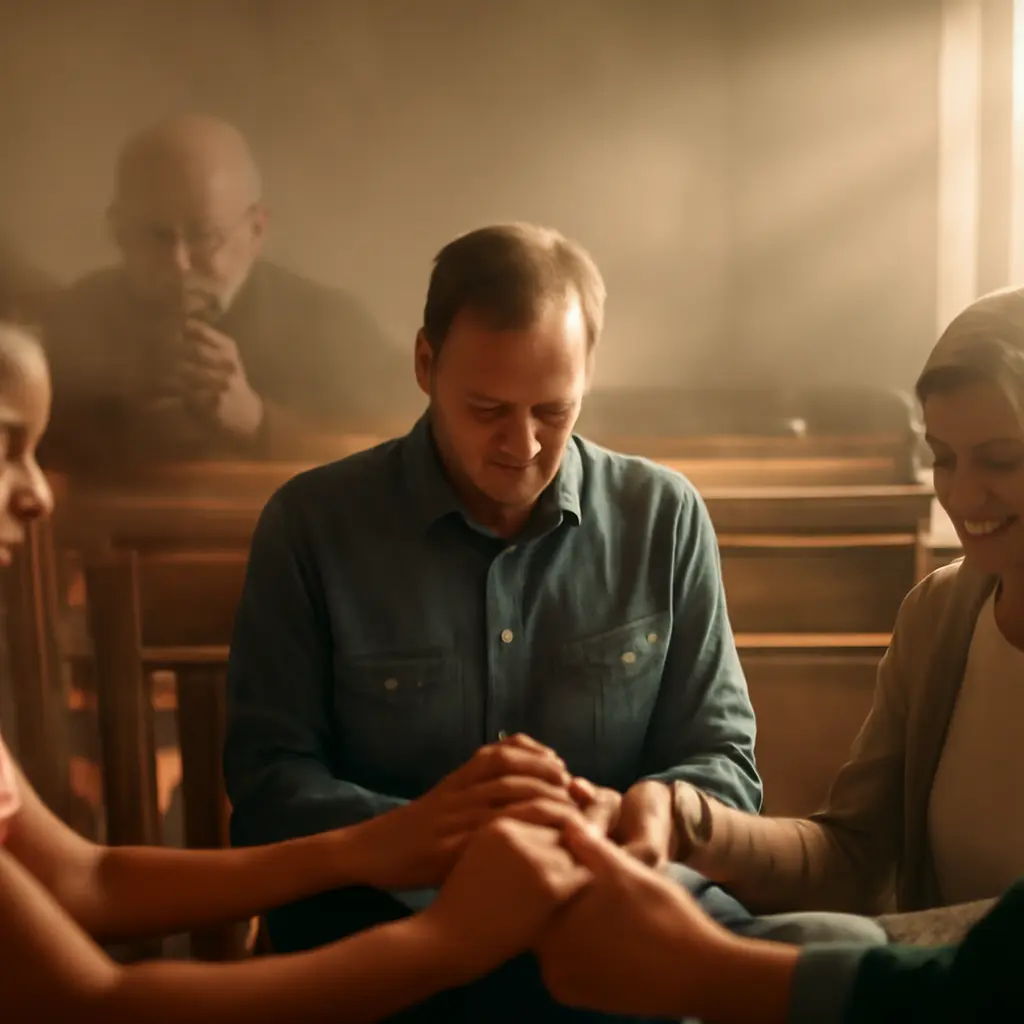
Why Traditional Prayer Practices Are Fading — A Contemporary Look

Traditional prayer practices are shifting in many communities. In this article we'll explore the underlying reasons behind the noticeable decline, look at real-life examples, and share practical steps that help people reconnect spiritually. Along the way, we'll also consider cultural influences such as entertainment metrics — for example, how a well-known comparative measure like Casino overview rating reflects wider shifts in attention and evaluation in modern life.
What the Data and Daily Life Tell Us
The decline in regular, organized prayer is not purely anecdotal. Surveys in multiple regions show reductions in attendance and ritual participation. Experts point to digital distraction, urbanization, and individualized spirituality as significant drivers. A useful lens is to compare how people now engage with leisure and evaluation: metrics like Casino overview rating show how audiences migrate toward quantified entertainment and instant feedback, which can displace slower, contemplative practices.
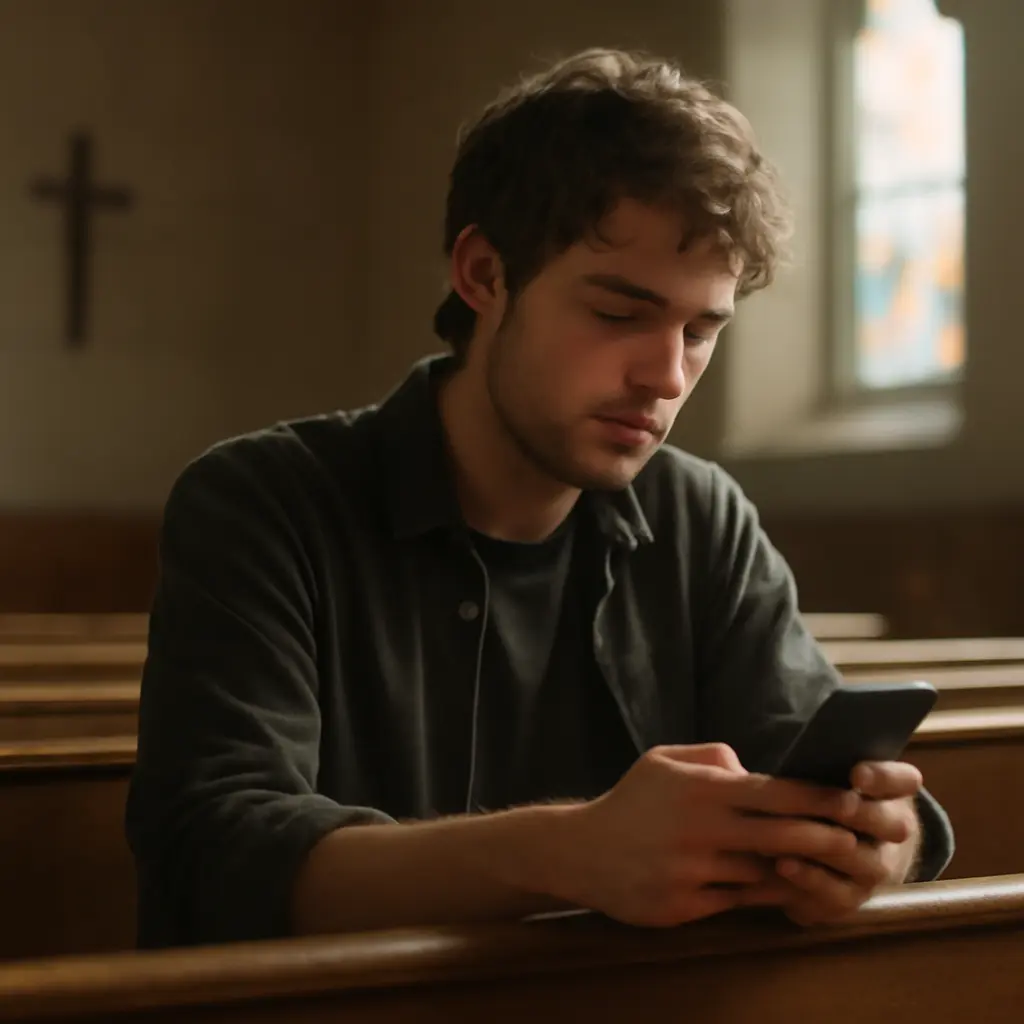
When people become accustomed to rapid, metric-driven validation — think star-based reviews or a prominent Casino overview rating that ranks sites and services — there's a behavioral tilt toward short-form engagement. Prayer, which often requires patience and communal rhythm, can be sidelined by more immediate, gamified experiences.
Key Causes Behind the Fading of Practices
Several overlapping causes explain why traditional prayer practices are fading. These causes are social, technological, and cultural, and each interacts with the others in complex ways.
- Digital life: Smartphones and social media shorten attention spans and create competing time demands.
- Individualization: Personalized spirituality replaces communal rituals for many.
- Economic pressures: Work schedules and commuting reduce time for regular gatherings.
- Entertainment metrics: The prominence of review systems and ratings — like Casino overview rating in the entertainment world — shows a shift toward quantified experiences.
- Institutional change: Congregations sometimes struggle to adapt formats that resonate with younger generations.
How These Changes Map to Everyday Choices
Consider a typical evening: someone might scroll ratings for leisure options, compare sites by a Casino overview rating, and choose an entertainment app that promises immediate gratification. The same person might postpone or skip an evening prayer or group meeting. These micro-decisions accumulate, resulting in measurable declines in traditional practice.
Simple, Effective Steps to Revive Prayer Practices
Revival often starts small and practical. Here are approaches that communities and individuals have used successfully to restore momentum:
- Prioritize schedule slots: Block brief, consistent times for prayer to make it habitual.
- Blend tradition with relevance: Update language, music, or format while keeping core elements intact.
- Use technology wisely: Leverage apps for reminders rather than allowing them to distract; avoid metrics that turn time into a competition of numbers.
- Build intergenerational activities: Encourage mentoring between older and younger members to transfer ritual knowledge.
- Measure what matters: Track participation in qualitative ways rather than using gamified ratings similar to a Casino overview rating.
| Factor | Estimated Impact | Practical Example |
|---|---|---|
| Digital Distraction | 35% | Smartphone use during evenings |
| Individualized Belief | 25% | Preference for private devotion over communal prayer |
| Economic & Time Pressure | 20% | Longer work hours and commuting |
| Entertainment Metrics | 10% | Shift toward rating-driven choices like a Casino overview rating |
| Institutional Shifts | 10% | Changing leadership and formats |
Real-Life Examples of Revival
Across neighborhoods, some communities have resisted the trend. The common denominator in successful cases tends to be a blend of continuity and adaptation. One congregation introduced a short, 15-minute contemplative slot before existing services and paired it with mentorship; attendance rose by 12% in six months. Another group discouraged comparison-based metrics during their gatherings — intentionally avoiding rating language similar to a Casino overview rating — and reported deeper participant satisfaction.
Places that treat prayer as both a practice and a shared identity often see the most durable recoveries. Small actions like communal meals, youth outreach, and public storytelling create a social glue that numbers alone cannot replicate.
Designing Sustainable Practices for Today
To sustain revival, think in systems rather than one-off campaigns. Implement these design principles:
- Habit first: Anchor prayer to an already-established routine (meals, commute, bedtime).
- Reduce friction: Make the practice accessible — physical and digital environments matter.
- Resist gamification: Avoid turning spiritual life into a leaderboard comparable to a Casino overview rating.
- Measure depth, not clicks: Use qualitative feedback and testimonies instead of only quantitative metrics.
Technological platforms can be allies when used carefully. An app that sends a simple prompt and offers a short guided prayer can increase participation, but it must emphasize presence over performance. Communities have found that replacing comparative metrics with reflective journaling prompts yields more meaningful engagement.
Quick Checklist to Start Today
Use this short checklist to initiate immediate change. It’s practical, replicable, and rooted in evidence from communities that have improved participation.
- Choose a daily anchor (e.g., morning coffee) and attach a 5-minute prayer.
- Set a communal cadence — weekly gatherings that are welcoming and concise.
- Limit rating talk in spiritual contexts; avoid entertainment-style metrics like a Casino overview rating.
- Offer mentorship to bridge generational gaps.

These steps are intentionally simple: small wins create momentum. Communities that replace competitive evaluation with compassionate accountability foster environments where prayer can reemerge as a regular practice rather than an occasional ritual.
Conclusion — Hopeful Pathways Forward
Traditional prayer practices are changing, but decline is not inevitable. By understanding the social and technological pressures — including the pervasive influence of metric-driven entertainment and comparisons such as Casino overview rating — communities can design reforms that honor tradition while being culturally intelligent. The pathway forward emphasizes habit, community, and thoughtful use of technology. When those pieces come together, prayer can regain its place as a meaningful, sustaining practice in modern life.
ReFormedFundamentalist encourages small experiments, patient listening, and creative fidelity: consistent effort over time, not flashy metrics, will renew communal spiritual life.



To leave a comment, please sign up or log in
Log in / Sign up