

How Churches Are Reinventing Worship for a New Generation
Churches today are rethinking service design, community rhythms, and outreach to meet the expectations of younger congregations. In this article we unpack 7 practical ways ministries are reshaping worship and engagement, and we look at how a familiar assessment tool — the Casino overview rating approach — can help leaders compare strategies objectively. For a deeper look at what leaders are learning, consider perspectives on that reveal candid insights from pastors and planners.
Change doesn't mean abandoning roots. It means combining tradition with innovation: blended worship, digital-first formats, and intentional spaces that prioritize belonging. Below you'll find actionable ideas, sample implementation steps, a comparison table, and an honest take on how to measure success using the Casino overview rating mindset applied to ministry choices.
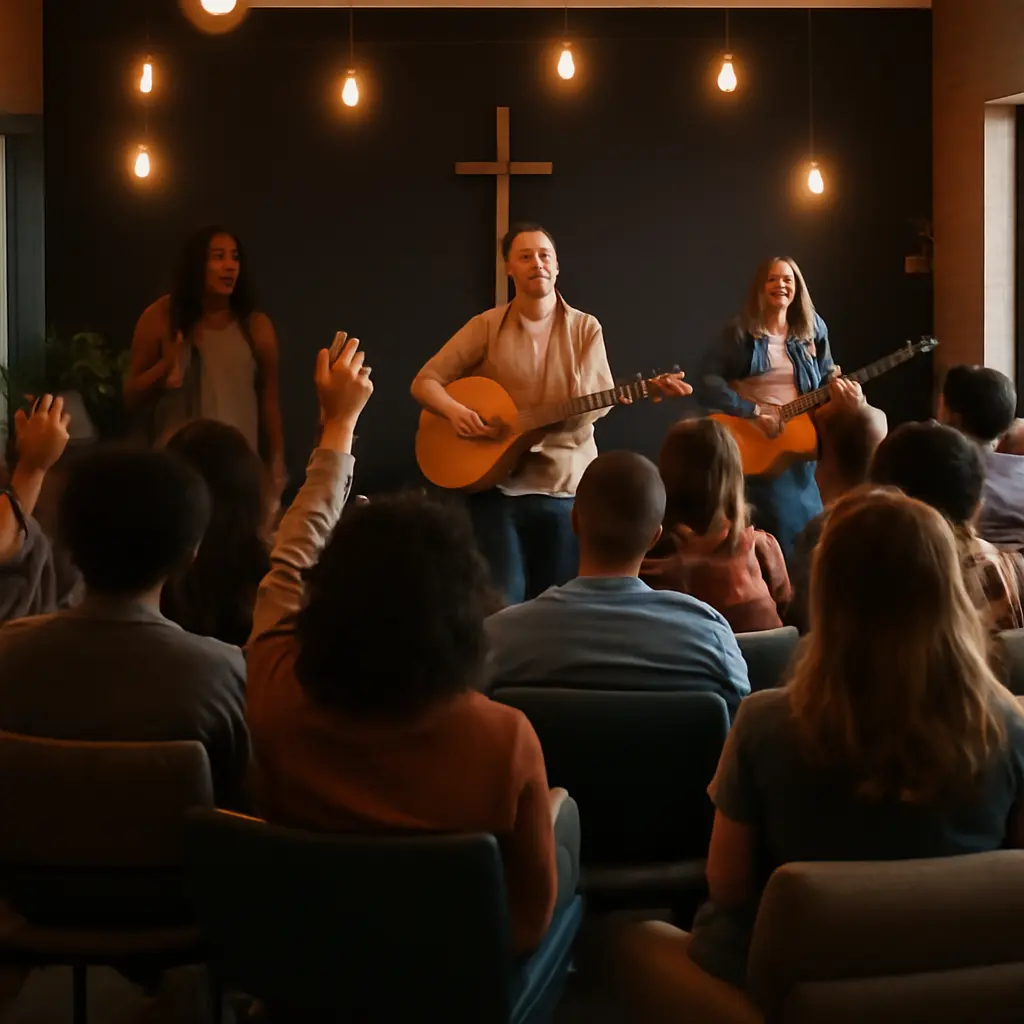
Introduction: Ministries are competing for attention in a landscape crowded with apps, streaming content, and social networks. To engage younger generations, churches are leaning into multisensory worship, flexible schedules, and clear pathways to spiritual formation. The idea of a Casino overview rating is useful here: by scoring options across criteria like accessibility, authenticity, and retention, leaders can compare initiatives honestly and prioritize what moves the needle.
1. Designing Services for Attention Spans
Younger attendees often expect concise, relevant content. Churches that trim long liturgies into focused, meaningful segments see better retention. Use of storytelling, multimedia, and shorter sermon arcs helps. When evaluating formats, a simple Casino overview rating column for "attention-friendly" can quickly show which approaches are more effective.
2. Blending Online and In-Person Experiences
Hybrid services — not just livestreams but interactive online communities — are now common. Leaders treat online attendance as real attendance and design follow-up pathways accordingly. That requires technology investment and clear volunteer roles, and it's where a data-driven evaluation like a Casino overview rating can guide budget decisions.
3. Creating Spaces for Small-Group Formation
Intentional small groups and micro-community models convert first-time guests into members. Churches that pair gatherings with practical service opportunities tend to keep young adults engaged longer. The Casino overview rating framework can score small-group models on scalability, leader development, and spiritual depth to determine which to expand.
4. Prioritizing Vocational and Social Justice Integration
Many younger congregants look for faith that connects to vocation and justice. Programs that integrate service projects, internships, and advocacy resonate. Measuring impact is complex, but a transparent Casino overview rating—including metrics for tangible outcomes and participant formation—helps demonstrate stewardship and results. For insight into reviving spiritual practices that support these commitments, see work on Prayer revival.

5. Embracing Music and Arts as Entry Points
Music, visual arts, and creative liturgies are powerful draws. Churches that invest in quality artistic expression without sacrificing theological depth often score high on authenticity and attraction in any Casino overview rating comparison. A few practical tactics include curated playlists for campus events, artist residencies, and collaborative worship planning teams.
6. Offering Clear Pathways for Involvement
Conversion from visitor to active participant requires clarity: next steps, volunteer onboarding, and mentorship. Use an ordered list to make follow-up crisp and measurable.
- Welcome touchpoint: Collect contact info and invite to one small event within 7 days.
- Discover meeting: Offer a short overview of the church's mission and team within 30 days.
- Serve placement: Match gifts to roles and begin training within 60 days.
- Spiritual formation: Connect new members to a discipleship pathway within 90 days.
Each step can be rated in a Casino overview rating table to track conversion rates and resource investment, helping leaders allocate staff time more effectively.
7. Using Transparent Metrics to Guide Decisions
One of the most significant shifts is the willingness to measure. Attendance alone is no longer the only metric. Churches are tracking engagement depth, volunteer retention, giving patterns, and spiritual formation indicators. A simple comparative table below models how the Casino overview rating approach can be adapted: score each initiative on Accessibility, Engagement, Cost, and Spiritual Impact, then total the results to prioritize initiatives.
| Initiative | Accessibility | Engagement | Cost | Spiritual Impact | Total Score | Casino overview rating |
|---|---|---|---|---|---|---|
| Hybrid services | 8 | 7 | 6 | 7 | 28 | High |
| Small groups | 7 | 9 | 5 | 9 | 30 | Very High |
| Arts initiatives | 6 | 8 | 7 | 8 | 29 | High |
| Justice & vocation | 5 | 7 | 6 | 8 | 26 | Medium |
How to use that table: assign numeric scores (1–10) for each criterion, sum them, and translate totals to a Casino overview rating label such as Low, Medium, High. This system keeps decisions transparent and enables leaders to defend choices to congregations and donors.
- Benefit: Clear prioritization of limited resources.
- Benefit: Easier communication with stakeholders.
- Warning: Avoid reducing ministry to metrics alone; always pair numbers with qualitative stories.
Practical next steps for leaders: run a pilot on one or two initiatives, score them using the Casino overview rating approach, collect qualitative feedback, and refine. This iterative model keeps experimentation manageable and measurable.
Implementation Tips from Practitioners
Leaders who successfully reinvent worship often emphasize three habits: consistent evaluation, volunteer empowerment, and hospitality-driven design. Consistent evaluation means weekly review of engagement numbers; volunteer empowerment means meaningful training and clarity of role; hospitality-driven design means creating low-friction entry points for newcomers. Use the Casino overview rating as a conversation starter in staff meetings to frame trade-offs and celebrate wins.
Conclusion: Reinventing worship for a new generation is less about flashy change and more about thoughtful alignment: aligning worship forms with mission, aligning resources with impact, and aligning measurements with spiritual goals. The Casino overview rating concept — adapted to ministry contexts — gives leaders an accessible way to compare options and scale what works. Start small, rate honestly, and prioritize presence and discipleship over gimmicks. With intentional strategy and clear metrics, churches can create worship that is both faithful and compelling for younger generations.



To leave a comment, please sign up or log in
Log in / Sign up