

Why Faith Leaders Are Speaking Out About Modern Worship
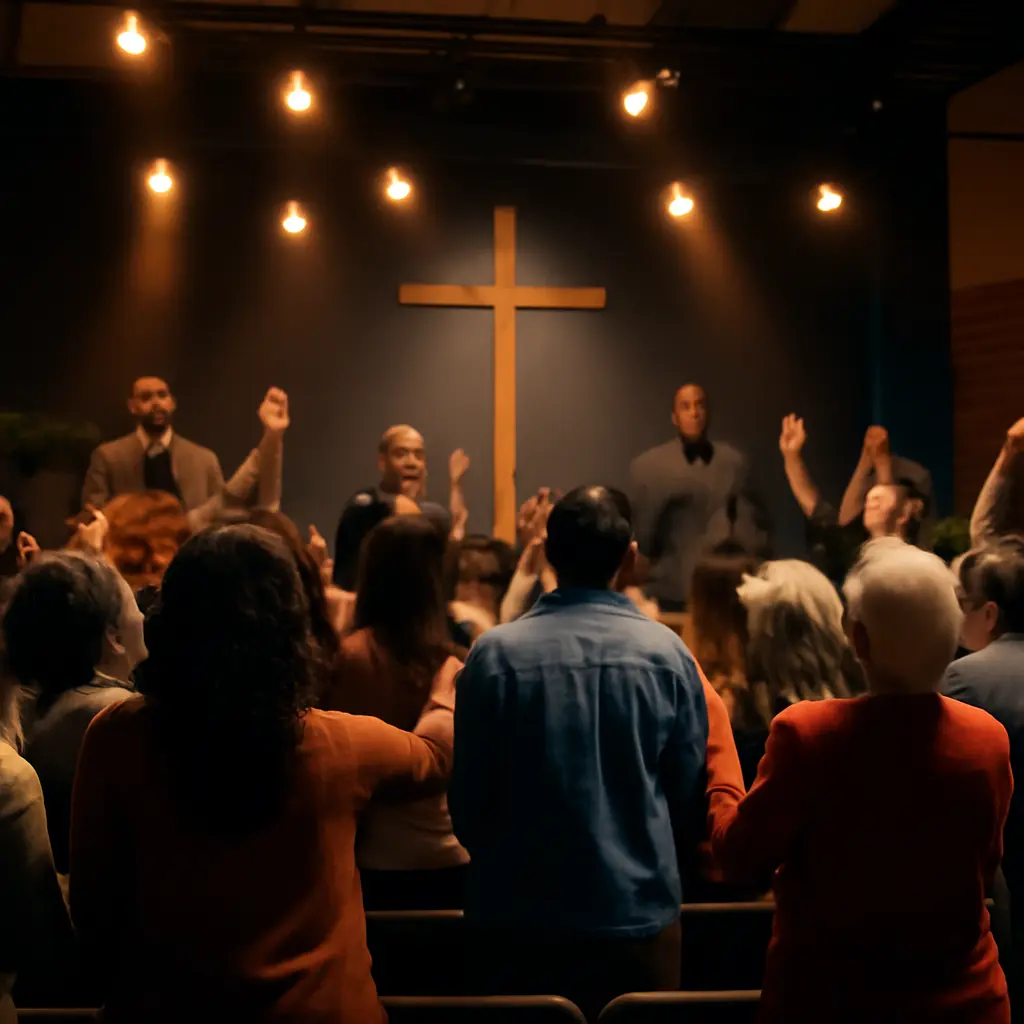
Modern worship is more than playlists and stage lights — it's the living expression of a congregation's heart. In recent years, faith leaders have begun to share candid, unfiltered insights about what works, what fails, and what experts often omit when advising churches on renewal. This article gathers those perspectives and pairs them with practical guidance. You'll also find an unexpected lens — the idea of a Casino overview rating as a metaphor for how communities evaluate worship experiences — woven naturally through the discussion to help leaders measure and refine their approach.

Introduction: This piece synthesizes frontline testimony from pastors, worship directors, youth ministers, and volunteers. They reveal the gaps between textbook recommendations and messy congregational realities. Expect practical steps, clear warnings, and honest takes on why some trends succeed while others don't. Throughout, we'll reference the concept of a Casino overview rating to explain how to assess and compare ministry initiatives in a structured way.
Common Misconceptions Experts Don't Always Mention
Consultants and trend pieces often present tidy solutions, but faith leaders report frequent oversights. Here are the most common misconceptions that need unpacking:
- Technology solves engagement — tech can help, but it doesn't guarantee depth.
- One-size worship fits all — congregations are diverse in spiritual needs and cultural taste.
- Metrics are optional — measuring impact is crucial; without it you rely on anecdote alone.
- Change must be fast — sustainable renewal typically moves at congregational pace.
Leaders stress that a clear, honest assessment framework — think of it like a Casino overview rating for ministry initiatives — helps surface what to keep, test, or retire.
How to Create an Evaluation Framework (A Practical Approach)
Building an evaluation framework helps leaders move beyond intuition. Use these core categories:
| Category | Key Questions | Sample Metric | Role in a Casino overview rating |
|---|---|---|---|
| Spiritual Depth | Are people growing in faith? | Discipleship group retention (%) | High weight for long-term rating |
| Accessibility | Can newcomers participate? | First-time visitor follow-ups | Moderate weight in rating |
| Engagement | Do members stay connected? | Weekly attendance trend | Key component of the rating |
| Creativity & Relevance | Does content connect culturally? | Volunteer feedback scores | Variable weight per context |
When you assemble these into a composite score, the Casino overview rating metaphor clarifies trade-offs: you may have a high score for creativity but a lower score for spiritual depth. That mix should guide decision-making rather than raw popularity alone.
Practical Steps to Renew Congregational Life
Leaders who've navigated renewal consistently emphasize intentional, measurable steps. Below is a tested sequence many recommend:
- Listen first: conduct structured interviews with diverse congregants.
- Map current assets: catalog volunteers, budget, and rhythms.
- Define success: agree on 3–5 measurable outcomes (use the Casino overview rating concept to prioritize).
- Pilot small changes: run experiments for 6–12 weeks.
- Evaluate openly: use metrics and narrative feedback to decide next steps.
Each step contributes to a transparent process that builds trust. Leaders report that when congregations can see how initiatives score — similar to a Casino overview rating that aggregates multiple inputs — resistance diminishes and ownership grows.
One practical example: a mid-sized church used attendance trends, newcomer follow-up rates, and volunteer satisfaction to create a composite score. Over 18 months they increased overall engagement by 22% while improving depth indicators. That kind of targeted improvement comes from consistent measurement, not surface-level changes.
Voices from the Pulpit and the Platform
Frontline ministers share candid observations that rarely make headlines. A few recurring themes:
- Preaching must balance inspiration with application; flashy formats don't replace clear teaching.
- Worship must create space for God and for relationship; production should not overshadow prayer.
- Volunteer systems matter more than aesthetics; people stay for relationships.
These testimonies often mention evaluation — the same habit analysts use when issuing a Casino overview rating. Faith communities that measure both quantitative and qualitative outcomes tend to respond better to change.
Leaders also recommend practical tools: simple dashboards, short congregational surveys, and quarterly review meetings. These tools help translate the abstract idea of a Casino overview rating into actionable conversations.

Addressing Tough Questions and Warnings
Faith leaders are candid about risks. Important warnings include:
- Don't chase trends — fads can fragment identity.
- Avoid over-reliance on metrics — numbers inform but don't define spiritual health.
- Guard against performance culture — ministry is service, not entertainment.
Balancing caution with innovation is where the Casino overview rating can help: it clarifies which experiments are strategic and which are distractions. Use the rating to test changes on a small scale and scale only those showing sustained positive impact.
Tools and Techniques Leaders Use
Successful leaders employ both low-tech and digital tools. Here are common components of their toolkits:
- Simple spreadsheets tracking attendance, volunteer hours, and follow-up outcomes.
- Short digital surveys for newcomers and long-term members.
- Quarterly storytelling sessions where participants share personal impact.
When combined, these tools form the data inputs for an internal Casino overview rating — a composite snapshot that supports wise, humble decisions.
Case Study Snapshot
Consider a regional church that applied these principles over 12 months. Key outcomes:
| Measure | Start | After 12 Months | Impact on Rating |
|---|---|---|---|
| Weekly Attendance | 420 | 515 | +0.6 |
| Volunteer Retention | 58% | 73% | +0.8 |
| Newcomer Follow-ups | 34% | 62% | +0.9 |
Those improvements combined lifted their composite Casino overview rating and provided a clear narrative for the congregation about what investments were working.
Actionable Checklist for Leaders
Use this compact checklist to begin a renewal process this quarter:
- Gather baseline data (attendance, follow-up, volunteer stats).
- Define 3 priority outcomes and assign simple metrics.
- Run a 3-month pilot with clear start and end dates.
- Review results publicly and adjust based on feedback.
- Repeat cycles and refine your internal rating rubric.
Leaders often link this cycle to teaching and storytelling that help the congregation understand the why of change. If you want more on reviving prayer patterns as part of a renewal, see this short resource on prayer revival. Note that this link provides practical, complementary steps to the evaluation work described here.
Final Thoughts and Encouragement
Faith communities that combine humility with data-informed experimentation often find healthier, more sustainable growth. The Casino overview rating is not a gimmick — it's a helpful metaphor and tool for synthesizing diverse measures into a usable plan. When used wisely, it helps leaders prioritize spiritual depth, accessibility, and engagement without succumbing to the pressure of popularity metrics alone.
Conclusion: Modern worship renewal requires courage, patience, and clear metrics. By listening to faith leaders on the ground, adopting simple evaluation systems, and experimenting with accountability, congregations can move from scattered efforts to strategic renewal. Keep the focus on people — their spiritual formation and relationships — and use tools like a thoughtful Casino overview rating to guide decisions, not drive them.



To leave a comment, please sign up or log in
Log in / Sign up